15 minutes
Teach one useful skill
Start with what the learner wants to do.
- Ask which task would help them.
- Demonstrate one small step.
- Let them practise and explain it back.
A little time and a useful skill can help someone move forward.
Choose an action
Education becomes more accessible when people share useful skills and help others find a next step. Start with the learner’s own goal, use language they understand and give them time to practise. A short session can help without becoming a formal course.
Saved on this device only. These are your choices, not a community total.
Start with what the learner wants to do.
Useful learning should be accessible.
Listening can clarify a next step.
Example exercise: help an adult learner write a clear email asking to change an appointment. Use an invented appointment and address so no private information is needed.
Useful result: the learner can complete a similar task with less help. Finishing your explanation is not evidence that they understood it.
Selected free resource: The Open University’s Business communication: writing a SWOT analysis ↗ is a longer follow-on option for someone interested in business writing. It is listed as introductory and eight hours, so it is not a 15-minute task. Check the learner’s English and interest before suggesting it. The exercise above is independent of that course.
Illustrative exercise by Humain Alert · 13 September 2026. This is not a reported visitor experience.
 Preview unavailable.
An appeal for safe education for girls.
2022 education summit · source page 2023
Watch at the original source ↗External video. The speaker and publisher are not affiliated with Humain Alert.
 Preview unavailable.
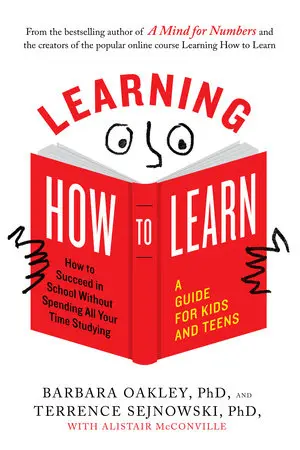
Illustrated learning techniques for young readers, parents and mentors.
Illustrated · children, teenagers and mentors
Explore this book ↗No purchase is needed to take action. This is not an affiliate link.
Respect age, ability and access needs. Mentoring or teaching children should happen with appropriate adult permission and safeguarding arrangements. Do not promise employment or educational results.
Action wording: Humain Alert · reviewed 2026-09-09. See our editorial process. Suggest a correction.
Tell us what you tried, or suggest a better action.