This week
Reduce one source of waste
A repeatable change is easier to maintain.
- Identify something you regularly throw away.
- Choose a realistic way to avoid one part of that waste.
- Review what worked after seven days.
Reduce waste and care for the places we share.
Choose an action
The choices we repeat can reduce waste and make shared spaces better. Choose something affordable and realistic in your own situation. Individual effort is useful alongside the work of communities, businesses and governments.
Saved on this device only. These are your choices, not a community total.
A repeatable change is easier to maintain.
Use what you already have where practical.
Local work can bring neighbours together.
Example exercise: choose one repeated source of avoidable waste, such as paper printouts. For seven days, make a simple tally of sheets printed and mark those you did not need.
Illustrative calculation: 20 unnecessary sheets in the first week and 12 in the second is eight fewer sheets. It is not a verified carbon saving and it does not predict what will happen every week.
Useful result: you understand one repeated source of waste and whether the change was practical. Use that evidence to choose what to keep doing. Share the method and its limits, not an inflated environmental claim.
Illustrative exercise by Humain Alert · 13 September 2026. This is not a reported visitor experience.
 Preview unavailable.
A 2018 call for climate action by ordinary people.
3 December 2018
Watch at the original source ↗External video. The speaker and publisher are not affiliated with Humain Alert.
 Preview unavailable.
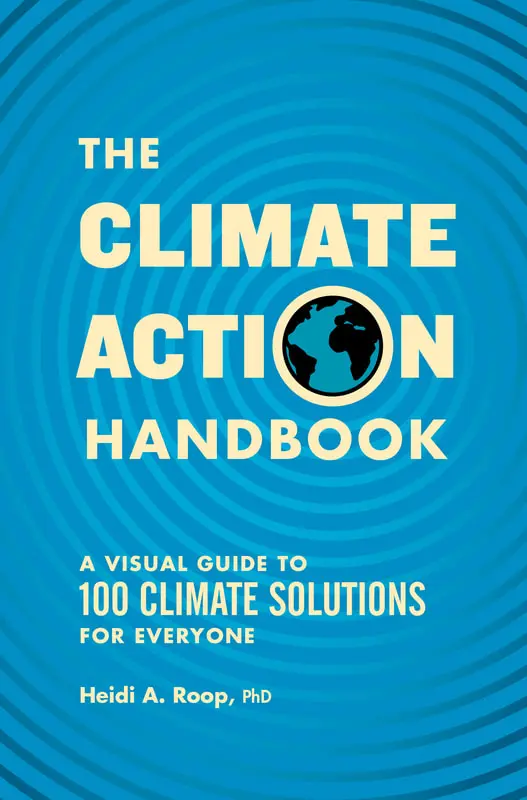
A visual guide to 100 possible climate actions.
Visual, practical guide
Explore this book ↗No purchase is needed to take action. This is not an affiliate link.
The effect of an action depends on local systems and circumstances. We do not convert your checkmarks into carbon savings or claim that individual actions alone solve climate change.
Action wording: Humain Alert · reviewed 2026-09-09. See our editorial process. Suggest a correction.
Tell us what you tried, or suggest a better action.