15 minutes
Learn about one right
Rules vary by country and situation.
- Choose an issue relevant to your life.
- Read an official local source.
- Note where qualified advice is available.
Understand rights and support people without taking away their voice.
Choose an action
Justice is easier to discuss when we see the people affected by unfair treatment. A useful first step is to understand a relevant right, identify qualified support and respect the person’s control over their own story.
Saved on this device only. These are your choices, not a community total.
Rules vary by country and situation.
The right organisation may offer practical help.
Someone facing unfairness should retain control of their story.
Example scenario: someone wants help understanding an official letter. Offer to organise the information with their permission, without deciding what legal action they should take.
First-enquiry wording: “Do you assist with [type of issue] in [country or region]? Are there eligibility rules or fees? What is the safe way to provide documents, and can you advise on the deadline shown?”
Start with a named resource: OHCHR’s Universal Declaration of Human Rights ↗ explains the principles, including equality before the law in Article 7. It does not establish the procedure or remedy for an individual case. For EU-country information, the European e-Justice Portal ↗ provides a starting point for finding country-specific legal-aid information. Eligibility must be checked locally.
Useful result: a clear question and a verified contact route. Do not wait for an online reply if a deadline or immediate safety issue requires prompt qualified help.
Illustrative exercise by Humain Alert · 13 September 2026. This is not a reported visitor experience.
 Preview unavailable.
A short documentary about Mandela, rather than a direct address.
UN archive documentary · date at source
Watch at the original source ↗External video. The speaker and publisher are not affiliated with Humain Alert.
 Preview unavailable.
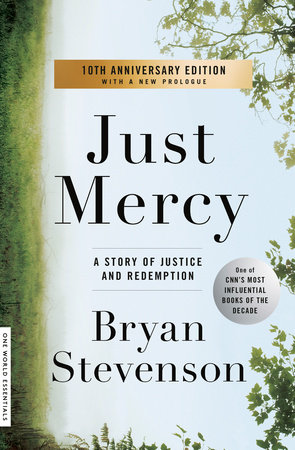
An accessible but emotionally difficult memoir about US injustice. Not a legal guide.
Accessible memoir · difficult subject matter
Explore this book ↗No purchase is needed to take action. This is not an affiliate link.
The video and book are not guides to your local law. Verify rules with an official local source or qualified adviser. Avoid publicly identifying people or repeating unverified accusations.
Action wording: Humain Alert · reviewed 2026-09-09. See our editorial process. Suggest a correction.
Tell us what you tried, or suggest a better action.